

Richard came to the UK from Jamaica 70 years ago when he was just 5. His dad was a carpenter, and the family set up home in Birmingham. Richard still remembers his dad keeping chickens in the back garden like everybody did back home. His dad would put the chicken in a box with a hole, so the chicken's head stuck out. He'd then cut off the head and wait for the fluttering to die before plucking the feathers. Richard remembers eating the same chicken that night.
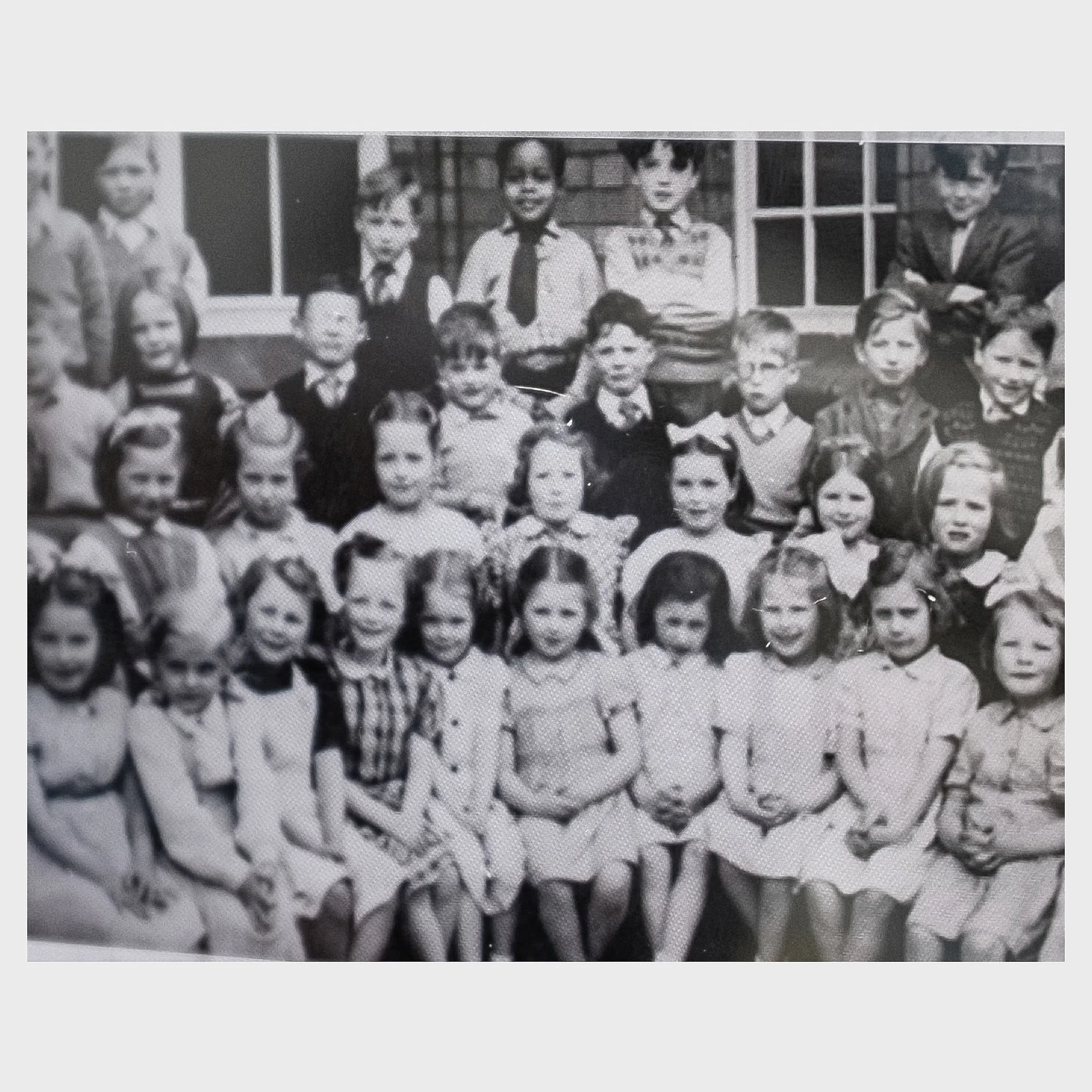
Richard was the only black kid at school (swipe). His actual first name is Rashford, but the school decided to give him the English name Richard. He had never heard anyone else call Rashford until recently, when he heard the surname of the Manchester United footballer Marcus Rashford. Richard enjoyed school; he said it was brilliant when he was small because young kids don't see race. 'The problems only start when kids get older.'
As a teenager, he was a good footballer. He did trials for Coventry. Sadly, his dad, who was a strict man and kept Richard on the straight and narrow, died young, and after that, Richard 'went a bit wild' and messed up his football career. Sir Jimmy Hill, the manager in those days, dropped him because he wasn't taking the training seriously enough.
Richard was also an apprentice aeronautics inspector, but without his dad around, he messed that up too.
Richard loved nightlife and moved down to London. In Lewisham, South London, he chatted with reggae singer Desmond Decker and his backing band 'The Aces.' They said that Richard could drive the van, and after a while, he became their roadie and travelled all over Europe with the band. Unsurprisingly, he had a lot of fun. He met Mick Jagger and The Tremolos, and through the band, he met his wife, June, a nurse, the sister of the reggae singer Carl St Clair.
Richard said that the trouble with working with stars is that you develop a star's lifestyle, even though you are just a roadie on a roadie's wages.
'You are in Carnaby Street, and someone in the band buys an expensive shirt, and you do the same. The trouble is that they can afford it, and you can't. After coming home from another tour with no money because he'd spent it all, he got a civilian job working as an engineer on the London Transport. He did this for 24 years before getting his current position at the British Museum, where he has worked for the last 28.


